

ABOUT TIGER TOILET
Industry: Public Health / Sanitation
Scope:Behaviour Change Campaign • Print Communication System • Iconography & Illustration • Multi-language Design • Field Materials (Flyers, Posters, ID Cards, Presentations)
Tiger Toilet is an affordable vermifiltration-based sanitation system developed for rural India, where access to adequate sanitation remains a significant public health challenge. Unlike conventional solutions, the system uses a specially selected species of earthworms to process waste on-site, requiring minimal maintenance and no connection to public sewage infrastructure. As of 2016, 1,500 units had been installed across more than 40 villages in three states.
A technology that works well only works well if people understand how to use it, why it matters, and why it's worth maintaining. That's where the design came in.
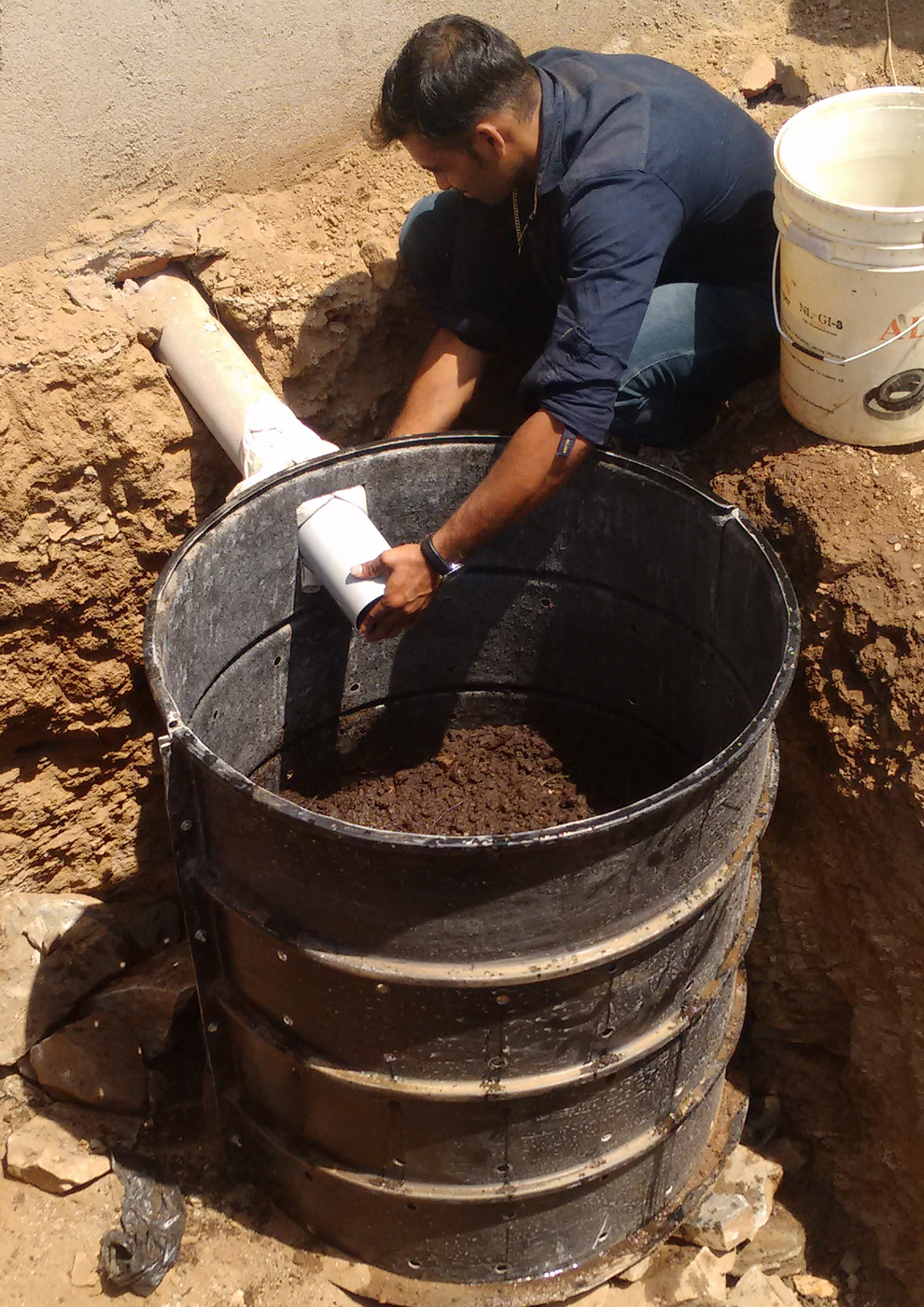
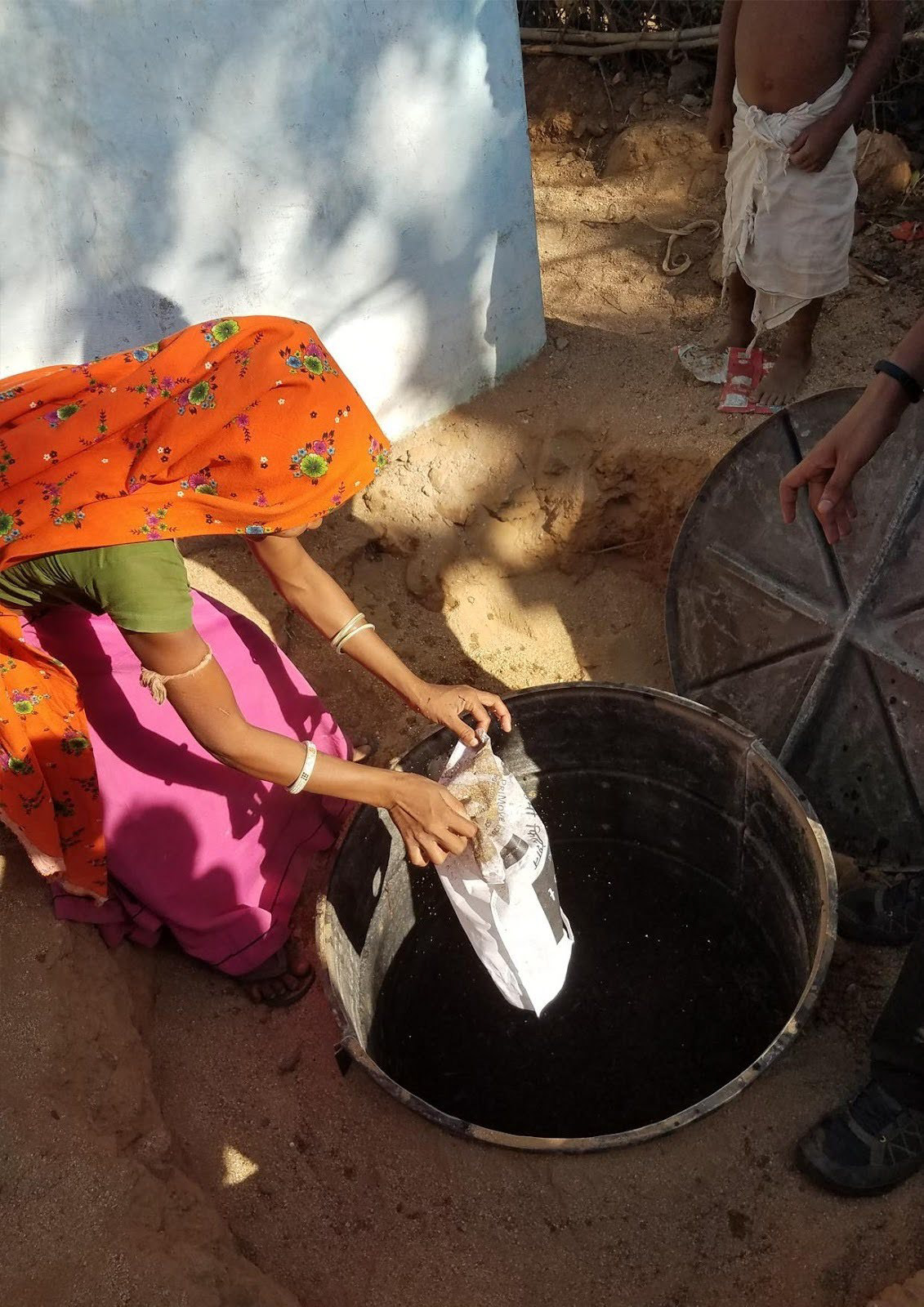
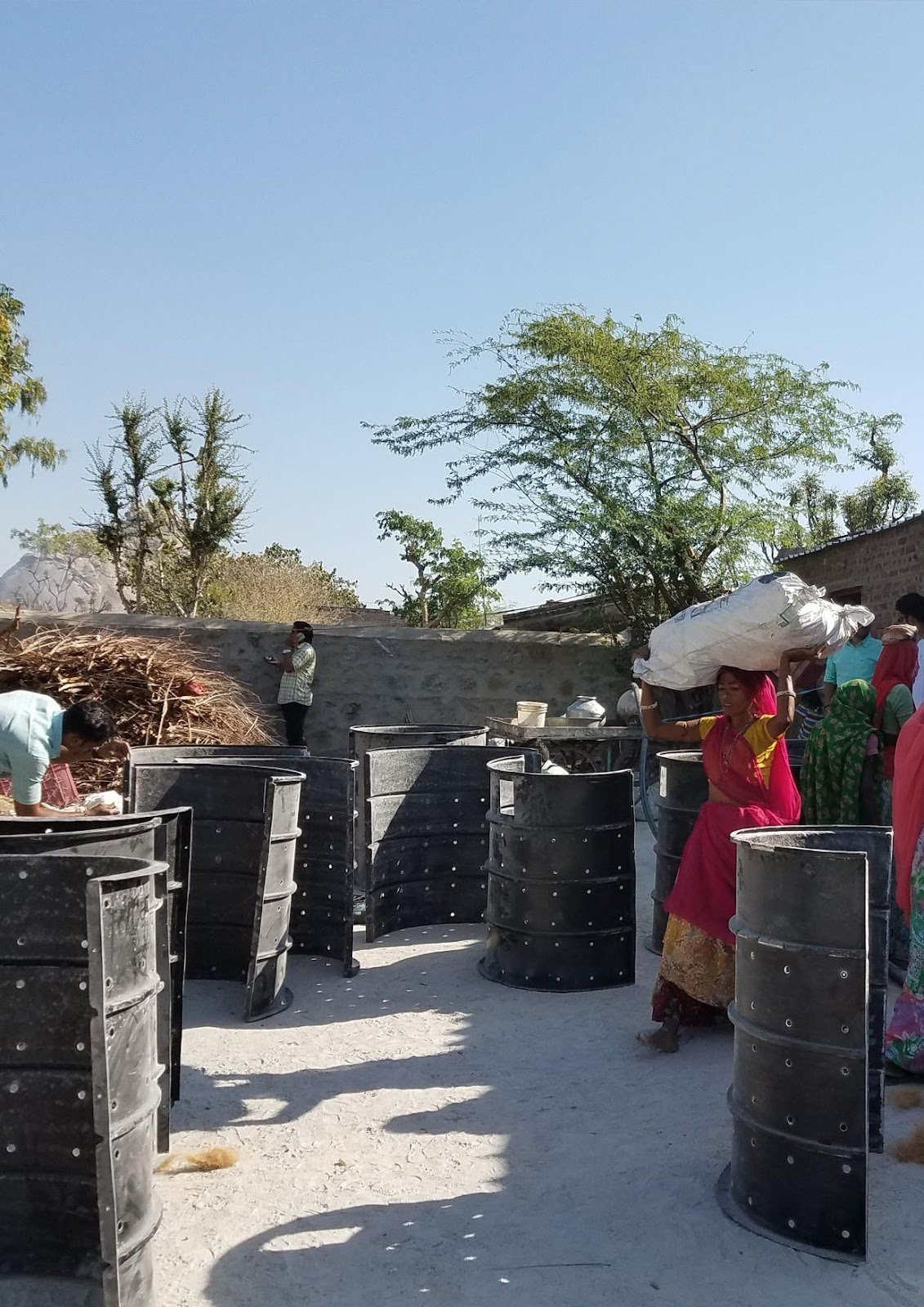
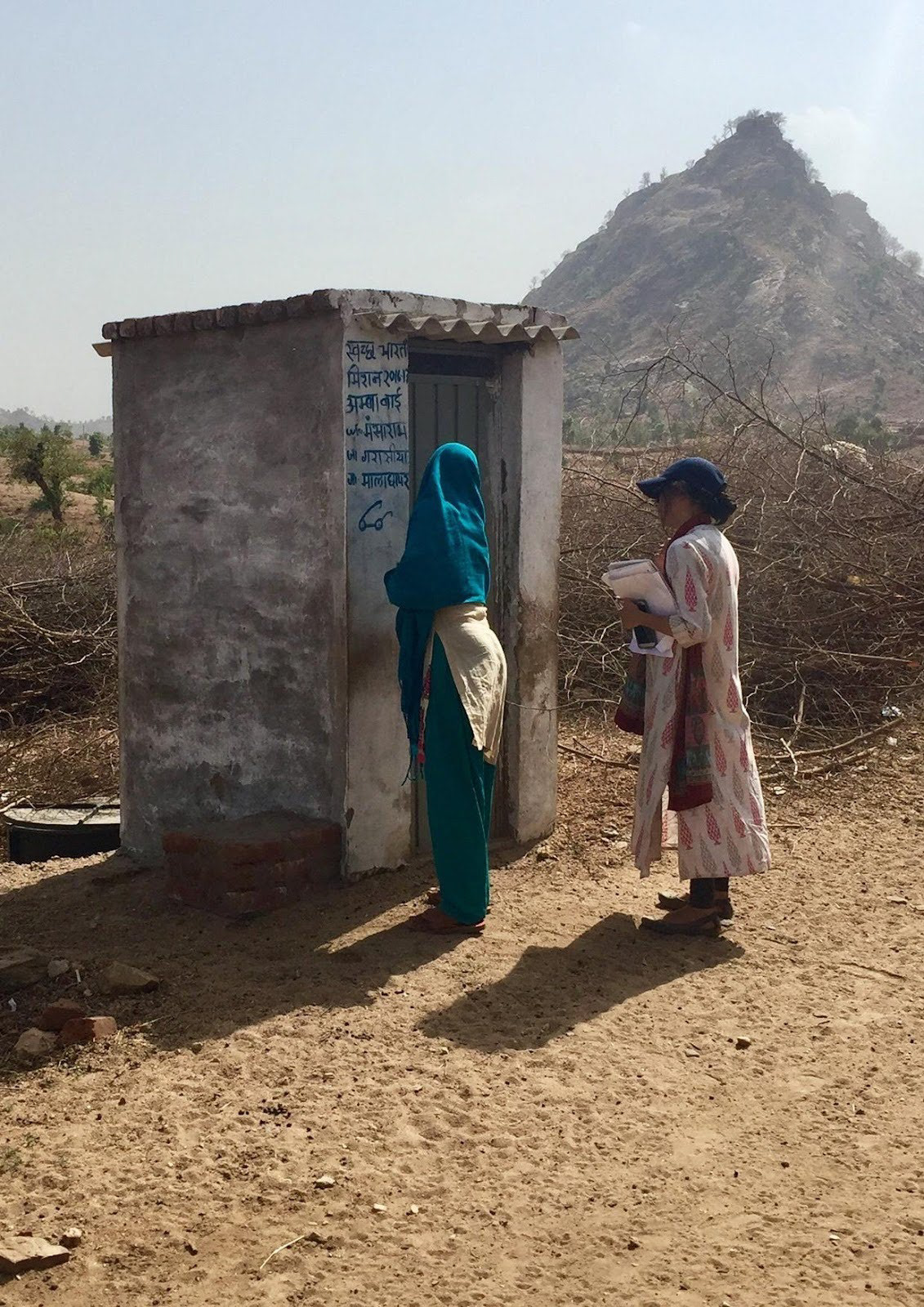
Bringing Safe Sanitation to Rural Communities
Designing for behaviour change is different from designing for awareness. The goal wasn't just to inform people about a new toilet system. It was to shift ingrained habits in communities where open defecation had long been the norm, where consistent maintenance was essential to keep the units functioning, and where a poorly kept toilet could quickly fall out of use altogether.
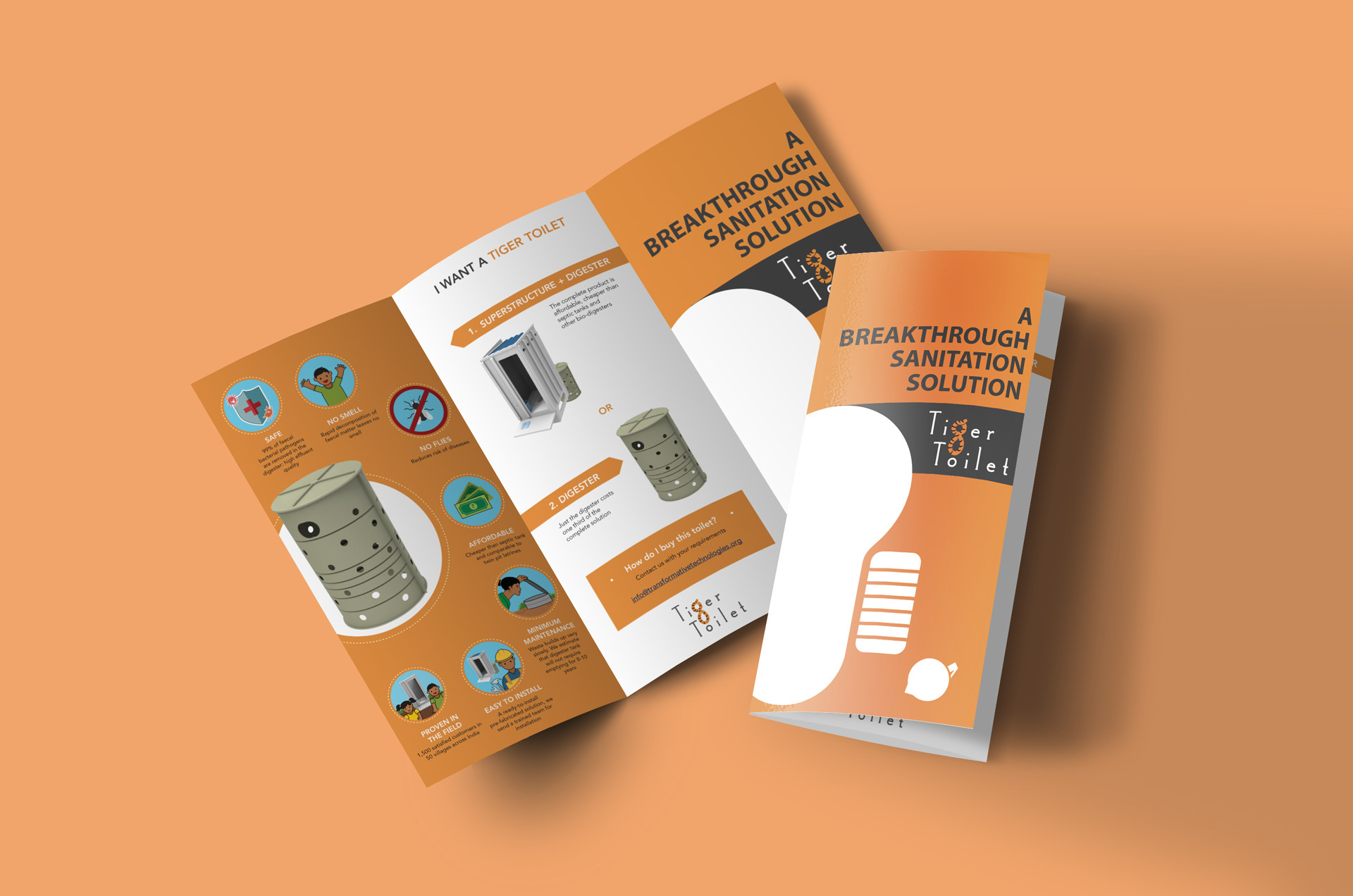
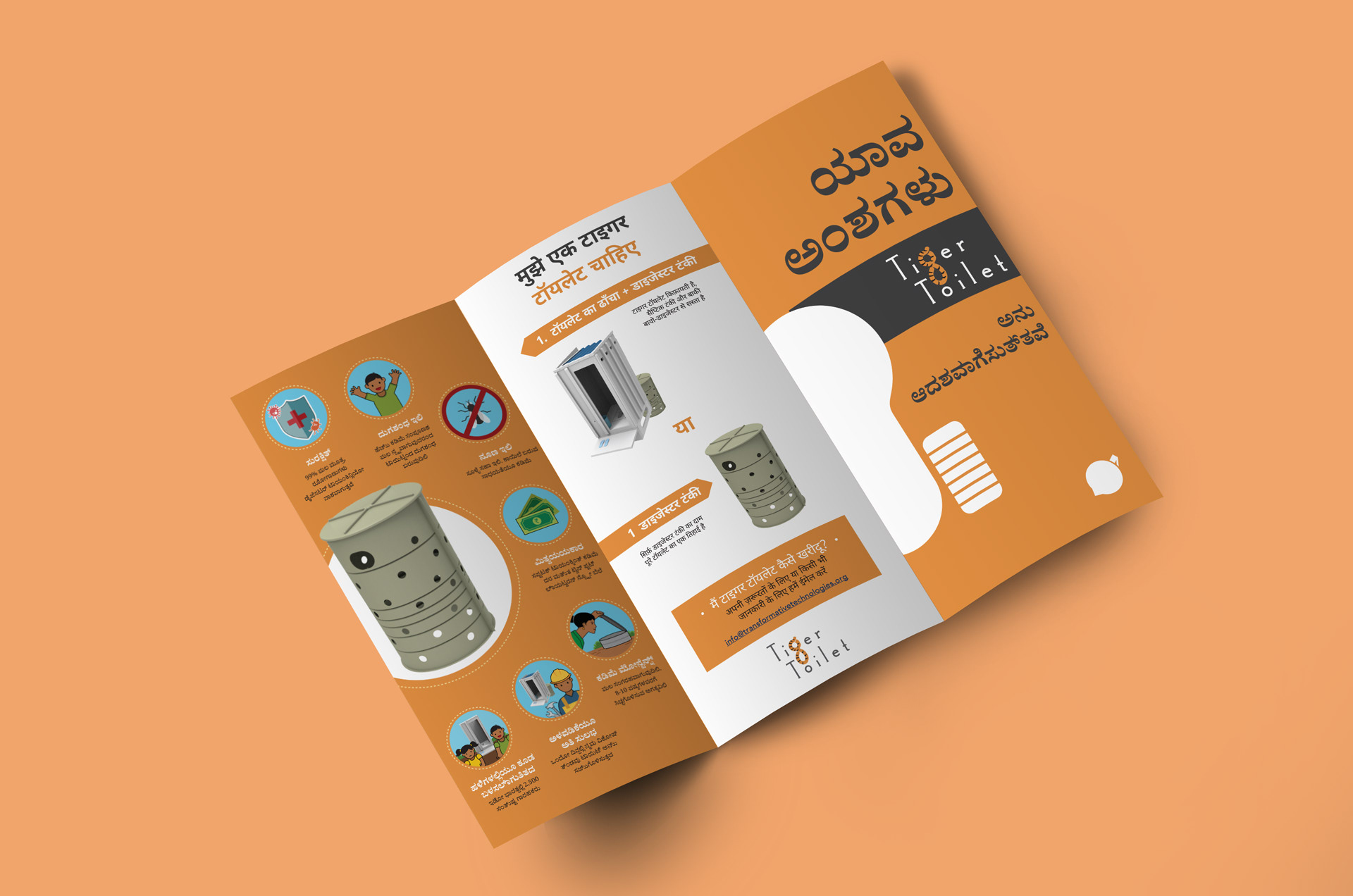
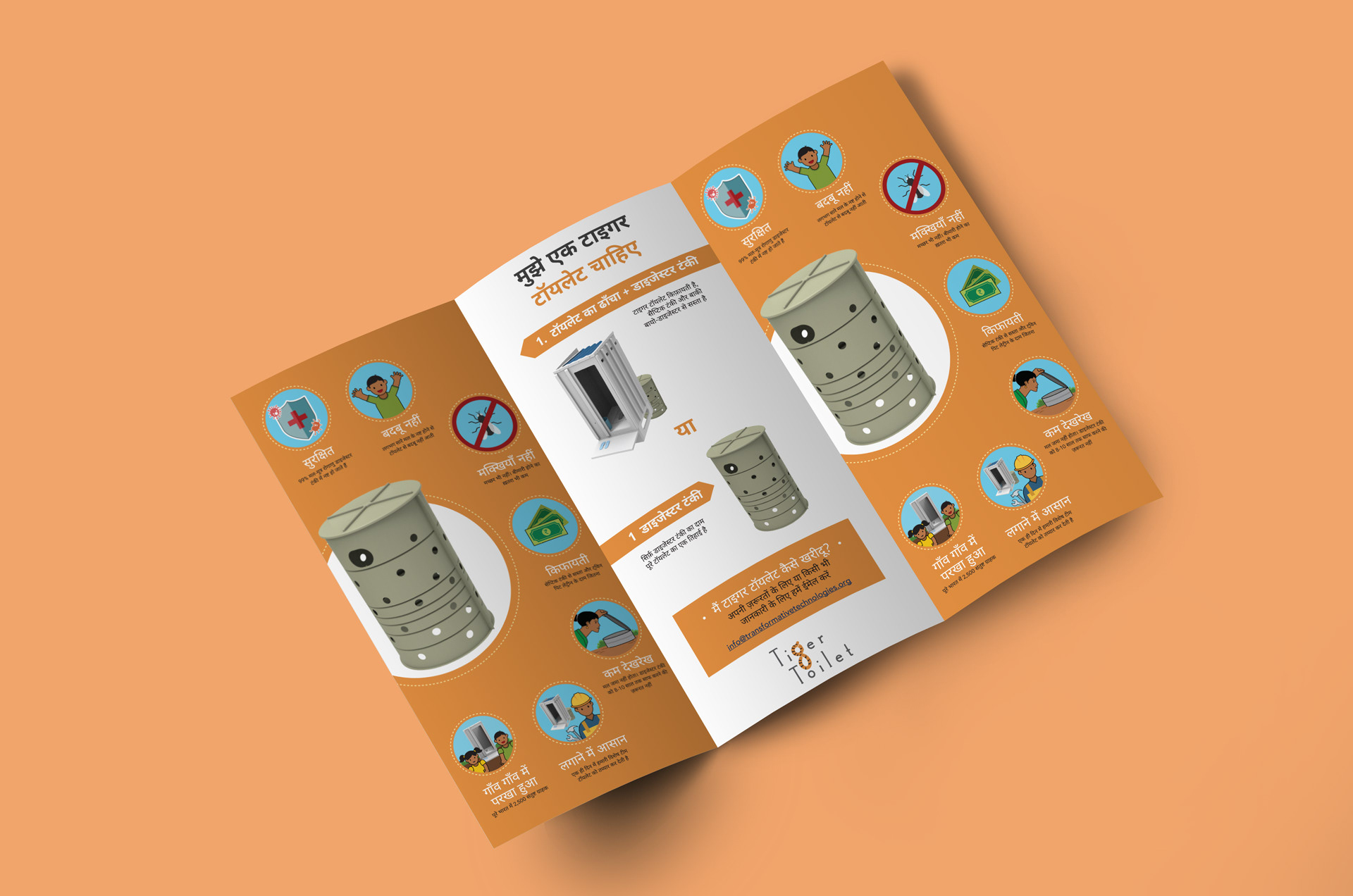
The materials had to work across English, Hindi, Kannada, and Oriya, for audiences ranging from fully literate to not literate at all. They had to educate without condescending, and communicate clearly without relying on text as the primary vehicle for meaning.
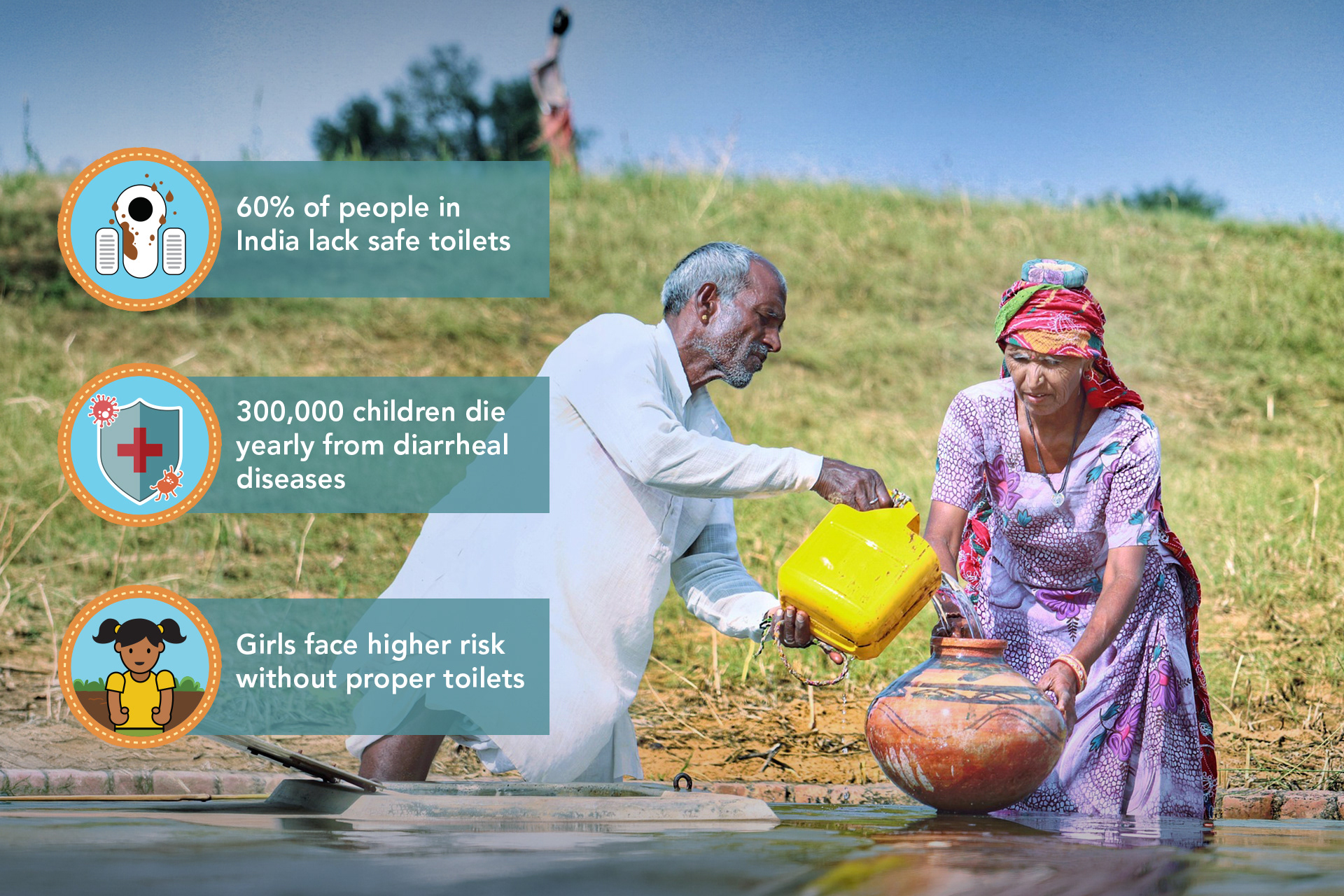
Designing Across Barriers
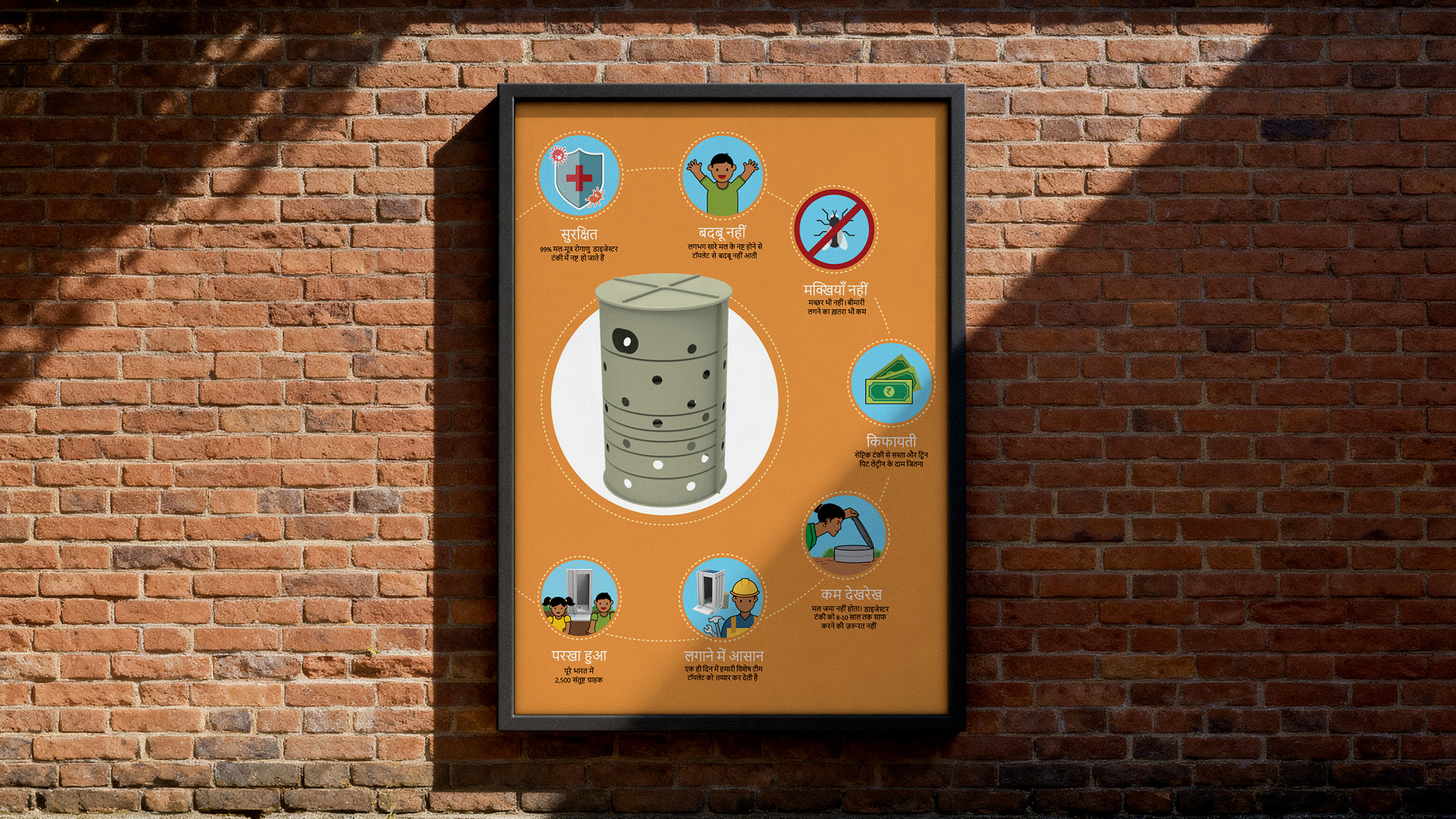
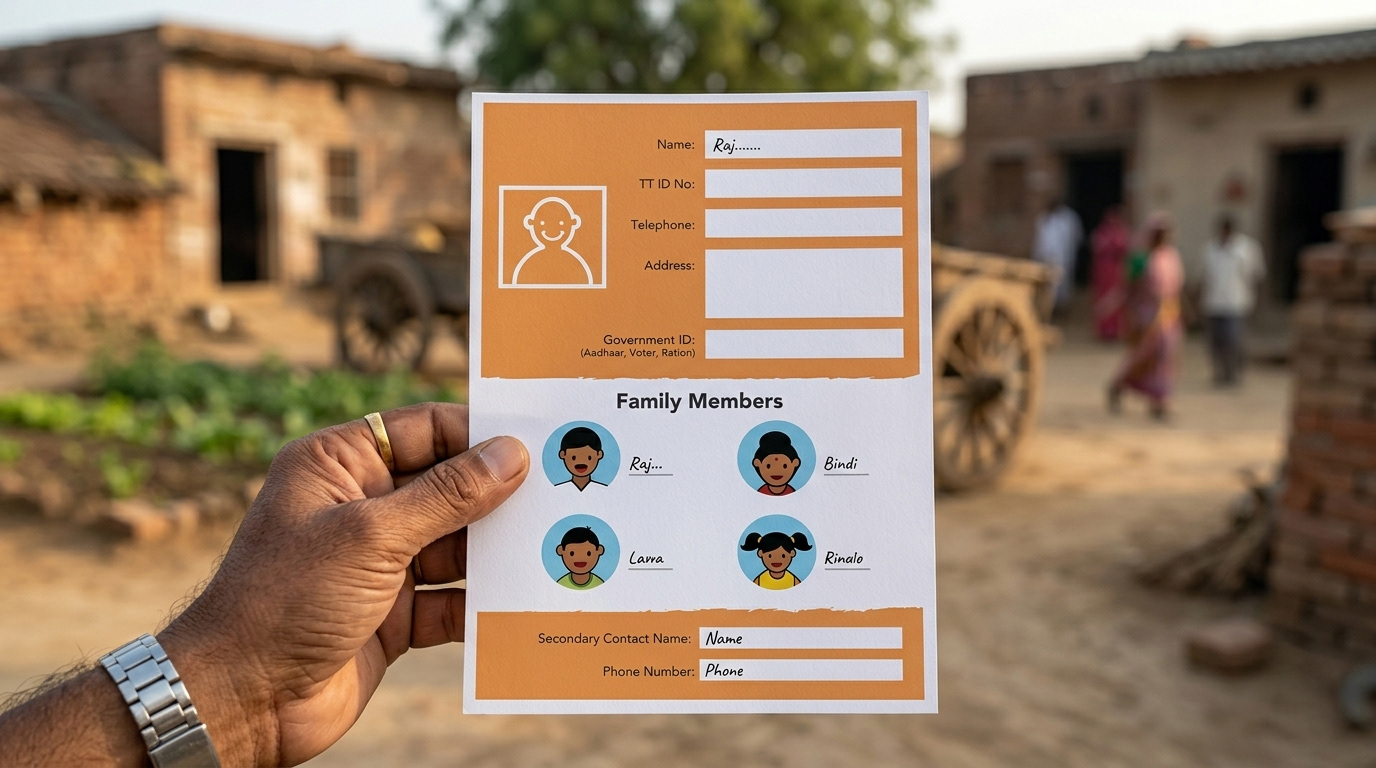
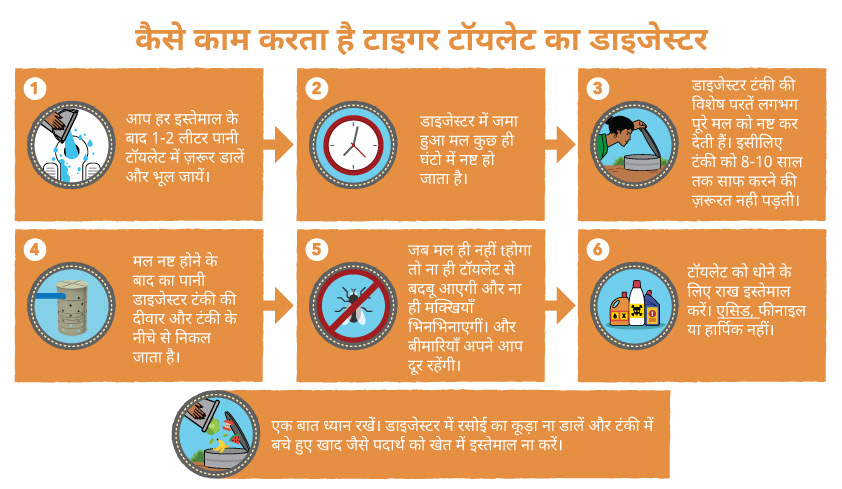
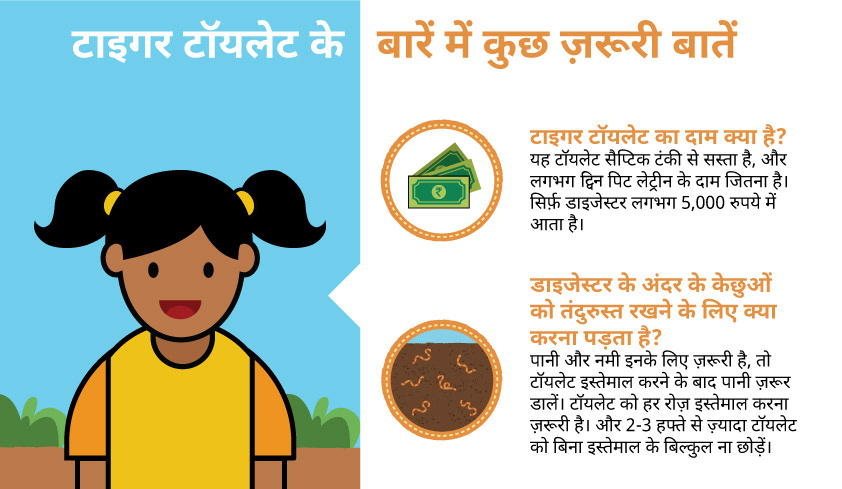
The materials had to work across English, Hindi, Kannada, and Oriya, for audiences ranging from fully literate to not literate at all. A custom iconography set was developed from scratch to work independently of language, communicating clearly to someone with limited visual literacy without relying on anything too abstract, too polished, or too culturally specific. The line between clear and condescending is a fine one, and getting the tone of the illustrations right was as important as getting the information right.
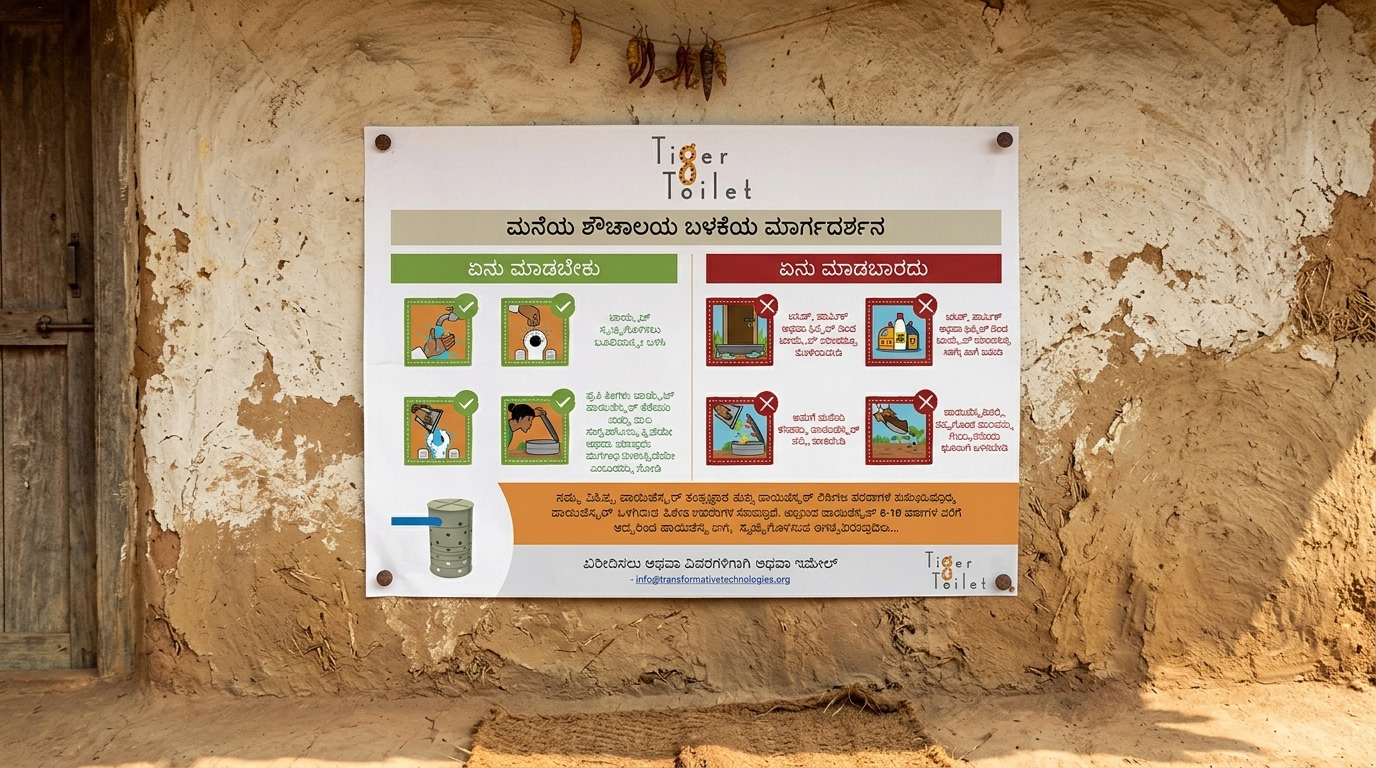
Printing had to be done locally in small towns near the installation sites, which placed real constraints on colour, finish, and production quality. The designs had to account for that from the start, working within what was realistically achievable in the field rather than what might look best on screen.
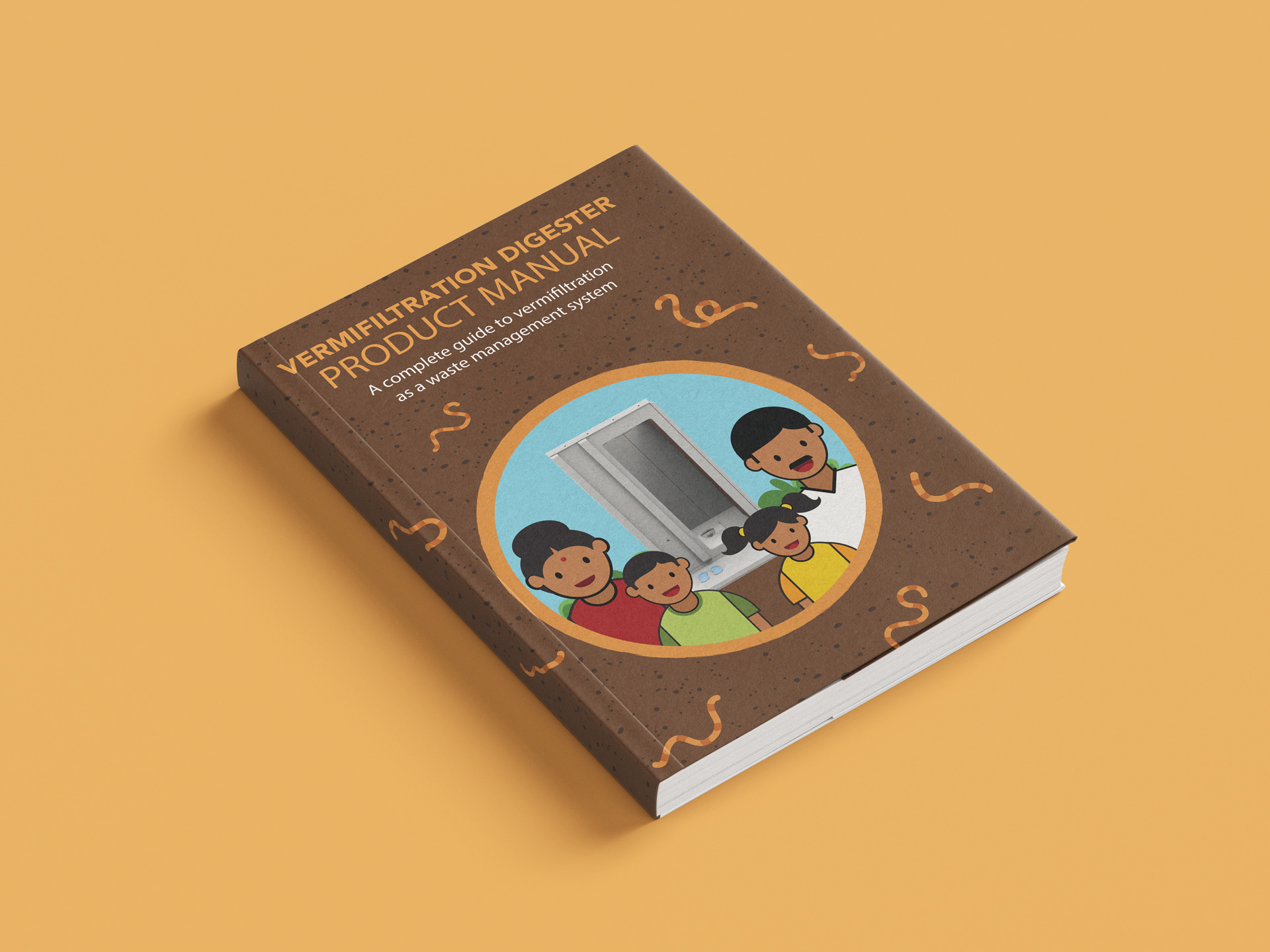
Layout and Communication
With four language translations running across every piece, the temptation is to fill every available space. Instead the layouts were kept deliberately open, letting the illustrations carry the weight and the text serve as support rather than instruction. The result was material that could be engaged with at whatever level the audience was able to bring to it, from a quick visual scan to a full read-through.
The dos and donts covered everything from correct toilet use and digester maintenance to general sanitation practices like handwashing and avoiding open defecation. Keeping that range of information clear, organised, and accessible without overwhelming the reader was the central layout challenge throughout.w
Participation Over Instruction
The campaign was designed to do more than inform. A reward system built into the programme encouraged families to track their own usage, cleanliness, and maintenance habits, giving communities a tangible stake in the programme rather than just a set of rules to follow. The approach recognised that sustained behaviour change is more likely to come from engagement than from instruction alone.
Children turned out to be the most enthusiastic adopters, and through them the habits spread to other family members. Women engaged strongly too, drawn in part by the safety and privacy the toilet provided. The campaign materials were designed with both in mind, approachable enough for children to engage with and respectful enough to speak to adults without talking down to them.
What the Work Achieved
Post-installation surveys showed consistently high satisfaction across the communities where Tiger Toilet was deployed. Sixty percent of surveyed households rated themselves very satisfied after twelve months of use, with the remaining forty percent satisfied. Usage increased over time rather than declining, which is often the harder challenge in behaviour change work.